

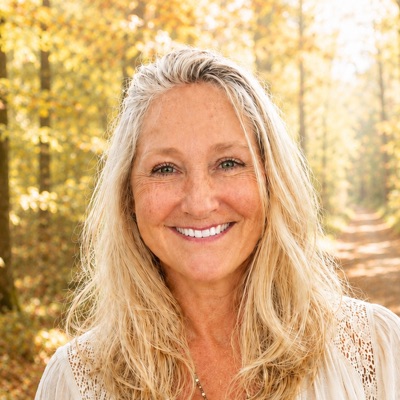
Integrative, relational, warm
My work sits at the intersection of proven therapeutic models and genuine human presence. Here's how I think about it.
There isn't one right way to do therapy.
I'm an integrative therapist, which means I don't treat every person with the same protocol. Instead, I hold a wide toolkit of evidence-based modalities and choose — collaboratively, and over time — what fits you best.
In practice this means our sessions might weave together somatic regulation and attachment work in one week, deep emotional processing and mindfulness the next, and clear, forward-focused planning the week after that. It stays flexible because you are unique — and your therapy should honour that.
Above all, my work is relational. Decades of research agree: it isn't the specific method that predicts whether therapy works, it's the quality of the relationship inside the room. That's what I lead with.
Principles I hold to
Nothing is ever pushed. We move only as fast as feels safe and useful to you.
What I base my work in
Making sense of survival patterns
Many of us begin life naturally open, curious, connected, emotional, and fully ourselves. We are born with an innate capacity for relationship, play, wonder, authenticity, and aliveness. Yet life does not always allow those parts of us to remain untouched.
When life touches us too harshly, too suddenly, or too early — through emotional neglect, criticism, instability, shame, rejection, loss, trauma, overwhelm, or unmet emotional needs — our nervous system adapts in order to protect us.
Without even realising it, we begin to develop ways of surviving emotionally and psychologically. We might become the one who always looks after everyone else while struggling to ask for help ourselves. We may strive for perfection, become fiercely independent, keep our emotions hidden, stay constantly alert to what could go wrong, or find ourselves avoiding conflict at all costs. Others withdraw, overthink, feel responsible for everyone around them, or become deeply sensitive to rejection or criticism.
For some, these protective patterns are experienced more internally. Life may feel overshadowed by anxiety, shame, guilt, grief, emotional exhaustion, loneliness, or a persistent sense of not being good enough. Others experience emotional numbness, panic, chronic stress, intrusive thoughts, burnout, or a quiet feeling of being disconnected from themselves, from others, or from life itself.
Sometimes these survival strategies also show up in our relationships. We may find it difficult to trust, struggle to let people get close, become emotionally guarded, reactive, overly defensive, or feel a strong need to stay in control in order to feel safe. These are rarely conscious choices. More often, they are intelligent ways the mind and body learned to protect us when life once felt frightening, uncertain, overwhelming, or emotionally unsafe.
These protective patterns are not evidence that we are broken or bad. They are intelligent adaptations created by the mind and body to help us survive experiences that once felt too painful, unsafe, or impossible to navigate alone.
The difficulty is that what once protected us can eventually begin to limit us. Many people find themselves living lives that appear perfectly functional on the outside, while internally feeling exhausted, disconnected, unseen, emotionally trapped, or unable to fully relax into themselves or their relationships. Often there is a quiet awareness that somewhere along the way, they lost connection with who they truly are beneath the layers of protection and survival.
If any of this feels familiar, I would like to offer you a gentle invitation. You do not have to carry it all alone.
Therapy offers a space where there is no pressure to be anything other than who you are. You do not need to arrive with everything figured out or have the right words. We simply begin where you are, at a pace that feels manageable and safe for you.
Together, we can gently explore the patterns that have shaped your life with curiosity rather than self-judgement. We can begin to understand not only the stories carried by your mind, but also the emotional and physiological imprints held within your body and nervous system.
We may notice the parts of you that overthink, strive, perform, please, withdraw, stay guarded, become reactive, or constantly anticipate danger. Rather than trying to silence or fight against these protective responses, we seek to understand them with compassion, recognising that each one developed for a reason. As safety begins to grow, the deeper feelings beneath these patterns can gradually be acknowledged, processed, and understood.
With my gentle support, and your courage to explore the experiences you may have been carrying alone for far too long, we can begin to untangle the past and understand how it continues to shape the present. Together, we create space for healing, self-understanding, and the reclaiming of the parts of yourself that may have become hidden, silenced, or forgotten along the way.
Rather than simply managing symptoms or forcing change, this work invites a deeper reconnection with the person you have always been beneath your survival strategies. As people begin to feel safer within themselves, they often discover greater emotional freedom, self-trust, confidence, authenticity, healthier relationships, and a quieter sense of peace.
You do not have to arrive with everything figured out. You do not have to explain it perfectly or even know exactly what is wrong. You only need a willingness to begin, exactly as you are.
From there, we can take each step together, at a pace that feels right for you.
Modalities
The therapy models I draw on
You don't need to understand any of these to work with me — but if you're curious, here's what shapes the work behind the scenes.
Attachment-Based Therapy
Exploring how early and current relationships shape emotional patterns — especially helpful for those working with abandonment, attachment wounds or relational difficulties.
Emotionally-Focused Therapy (EFT)
Centered on identifying and working with core emotions in close relationships. Powerful for couples and for individuals working on intimacy and connection.
Client-Centered Therapy
A compassionate, non-directive foundation that emphasises empathy, acceptance and your own inner wisdom. This is the ground everything else stands on.
Mindfulness Therapy
Cultivating steady, non-judgemental awareness — a skill that supports anxiety, self-esteem, emotional regulation and reconnection with the body.
Somatic Therapy
Working with the body's felt sense to help the nervous system settle. Especially valuable for trauma, chronic anxiety and dissociation.
Trauma-Focused Therapy
A phased, carefully-paced approach to integrating difficult experiences without becoming overwhelmed by them.
Internal Family Systems (IFS)
Understanding the different 'parts' of you — the protector, the wounded child, the inner critic — and helping them work together with more compassion.
Solution-Focused Therapy
Practical, goal-oriented work that helps you build on strengths and take clear, meaningful steps forward.